Pro Tips
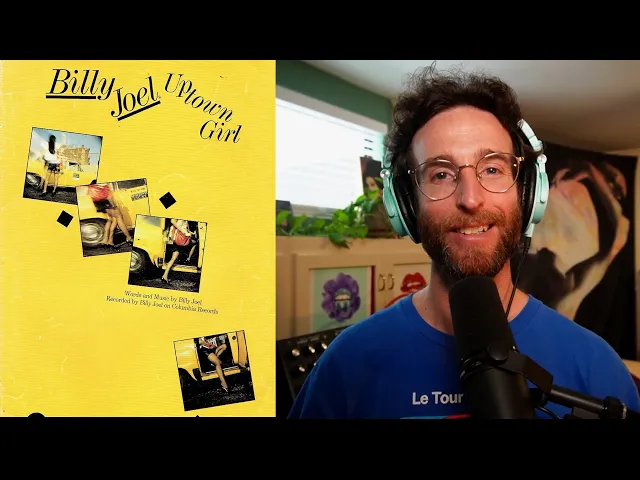
Call & Response: The Background Vocal Technique Behind Uptown Girl
When it comes to “Uptown Girl” by Billy Joel, you’ve probably been singing the background vocal parts your entire life without even realizing it.
What sounds effortless on first listen is actually a masterclass in call and response — a songwriting technique rooted in some of the earliest forms of communal music, where a leader’s phrase would be answered by a group. Over time, the technique became foundational to gospel, blues, and eventually pop music.
It’s one of the many reasons “Uptown Girl” by Billy Joel became such a cultural phenomenon, helping An Innocent Man remain on the charts for 111 weeks.
Below are some of my favorite examples, sources of inspiration, and a breakdown of what makes this technique so effective.
1 note overlap
A simple call and response is when background singers repeat exactly after the lead singer, and the lead and the background part never overlap. Think back to your youth chanting, “every where go (everywhere we go), people wanna know (people wanna know), who we are (who we are)....”
A common variation is for the background singers to come in on the last note of the lead melody. Two of my favorite examples of this are “Uptown Girl” by Billy Joel and “Before He Cheats” by Carrie Underwood.
If you listen carefully, you’ll also notice that the background vocal parts in both of these songs are sometimes doing a call & response and sometimes join up to harmonize directly over the lead. Figuring out how to weave the BGVs in and out to best serve the song is where the fun is.
Hard Mode
Now, lets listen to “We’re gonna make it” by Damian Marley. These are maybe my favorite background vocals of all time. They are so inventive and unpredictable, yet wildly catchy and moving. They dance all around the lead – sometimes coming before, sometimes lining up, sometimes after. They have completely independent melody lines and they make subtle variations on the lyrics either by repeating or changing a few words. These complicated composition techniques should, in theory, make them more difficult to follow and remember. However, its really effective in this song.
THERE ARE NO RULES.
Trust your ear. Serve the song.
Yung Spielburg